
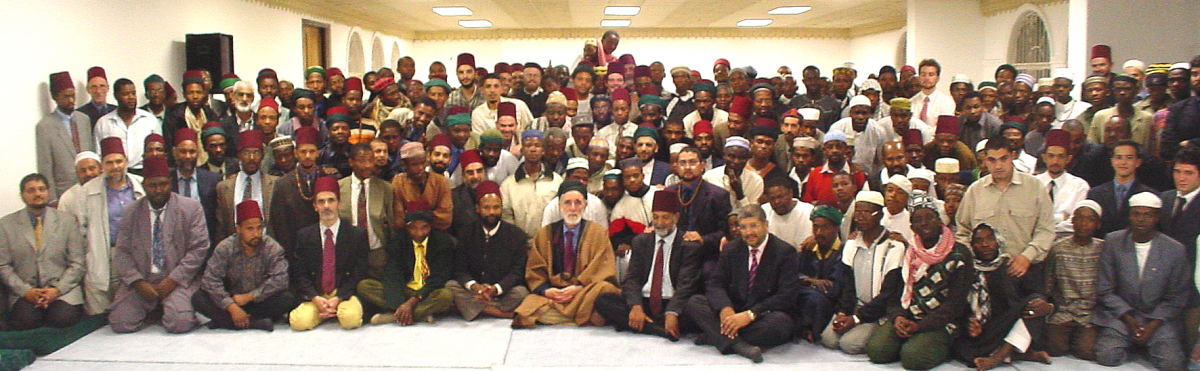

There is much talk of truth and freedom these days as tangible things or goals to be achieved; the overthrow of tyranny; the establishment of democracy and human rights. People bandy these words around in public as though they are the masters of them or their proponents. They are deluded liars and they permeate societies at every level; they are the vociferous ones, who stand for justice, liberty and equality. They claim the moral high ground in the name of humanism and demand the changing of the order for the security of the masses. They are enemies to themselves, one section seeking dominance over another, snarling and biting each other like dogs over a carcase; their sign is that they say exactly the opposite of what they do. Continue reading “Truth and Freedom”




 Shaykh Issa - for the Fuqara